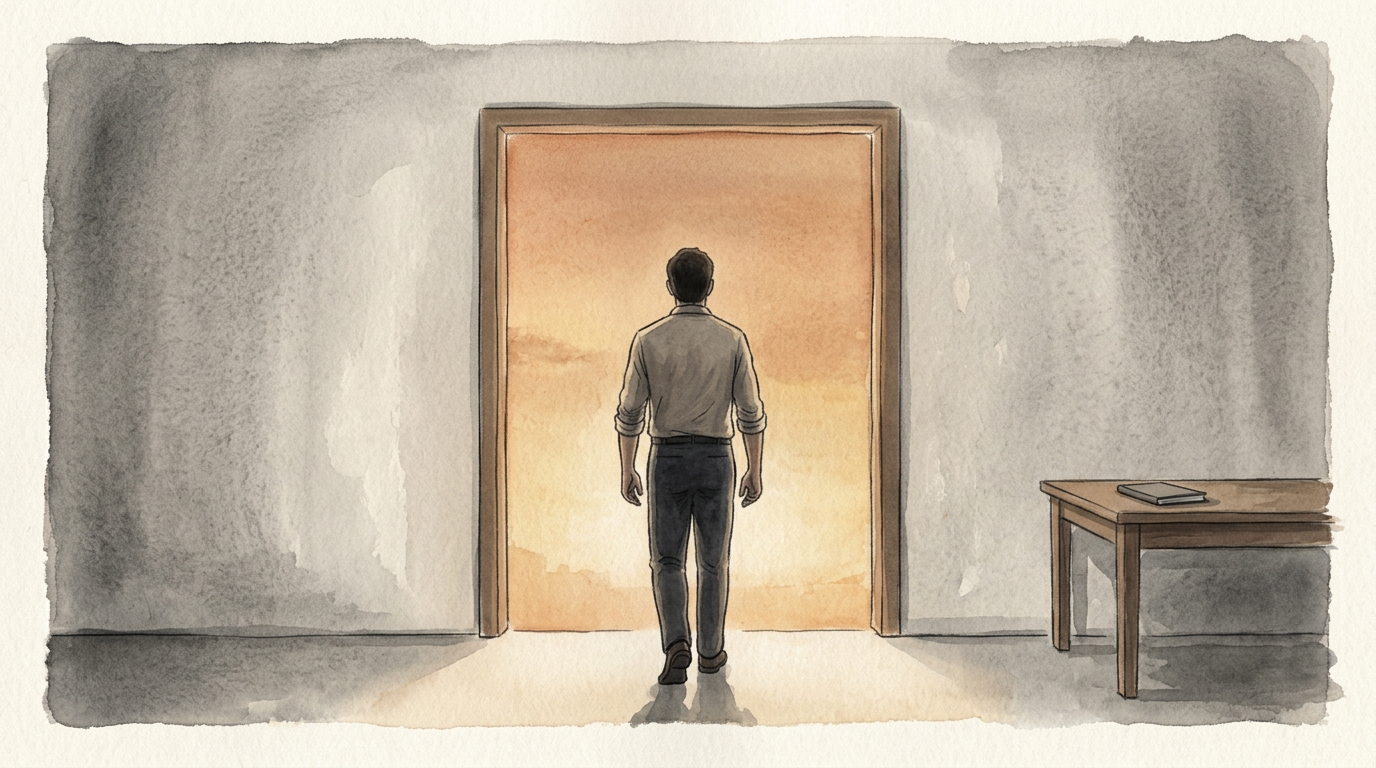
When I was fifteen, a few of us built a social network for kids. People actually used it, and we even raised a little money. Then the site got too expensive to keep running, and we shut it down right before my tenth-grade exams. I told myself it was fine, since I'd have more time to study. Mostly I was telling myself I'd do better next time.
A few years later I joined a laundry startup. We built the product and people used it, and for a while that was enough to make me believe it would work. Then came the debt, then a split in the team, and I was standing at the end of another thing I hadn't planned for.
So I did what I always do and kept building. This time it was websites and apps for clients, with a different team. Money came in and we grew, and then the salaries stopped being paid on time and people started leaving. I was tired and broke, and I was arguing with people I cared about. Some of them I haven't really spoken to since. Revenue looks great on a dashboard until you're sitting across from someone you owe money.
After that I put my own time and money into a new product, with a team that believed in it as much as I did. That one failed too.
By that point I could list every mistake I'd made, and I did, over and over. I hadn't planned well enough. I'd trusted people without checking. I'd promised things before I knew how to deliver them. But a postmortem doesn't pay anyone's salary, and it doesn't fix a friendship. The thing I couldn't write down was the real question, which was whether I was good enough to lead people at all. Some days I didn't want a lesson. I just wanted the work and the people back.
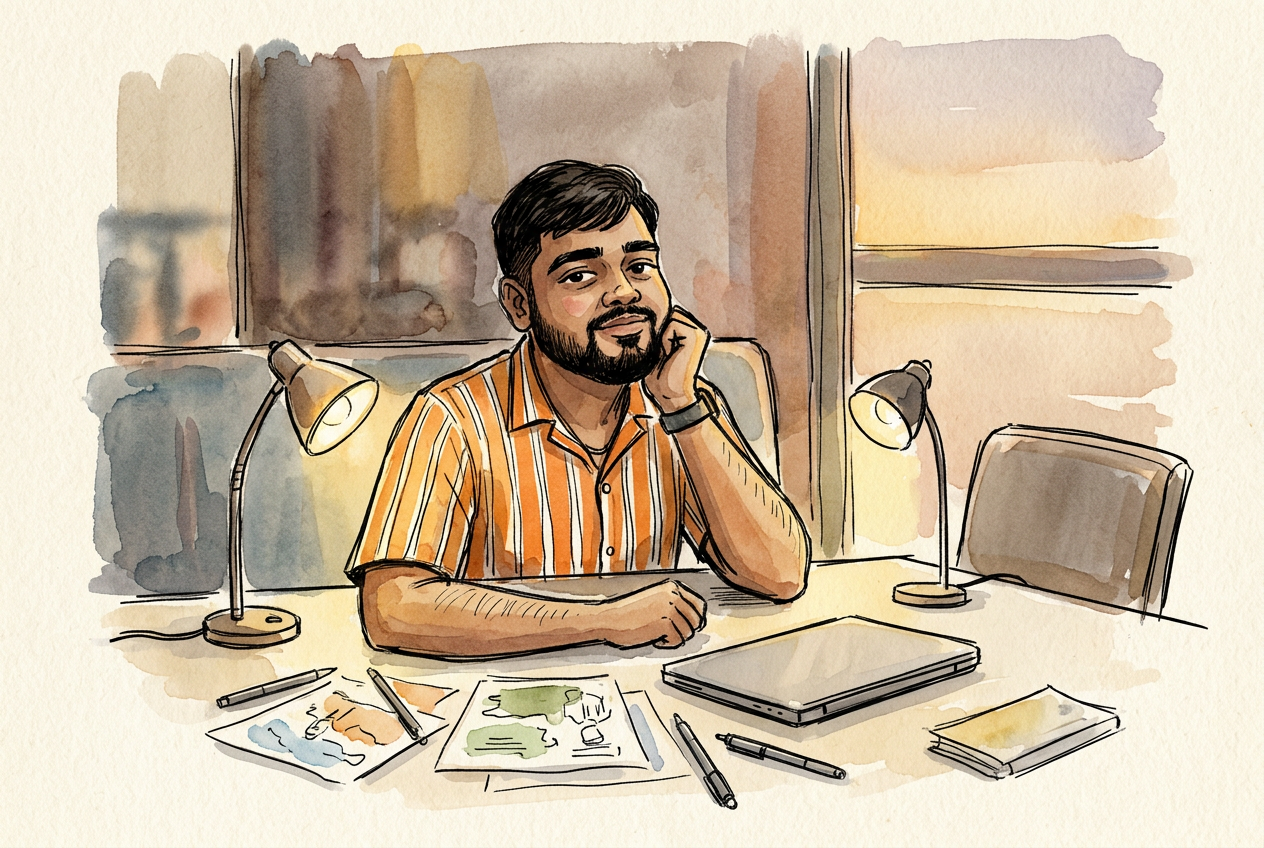
The scene I keep going back to
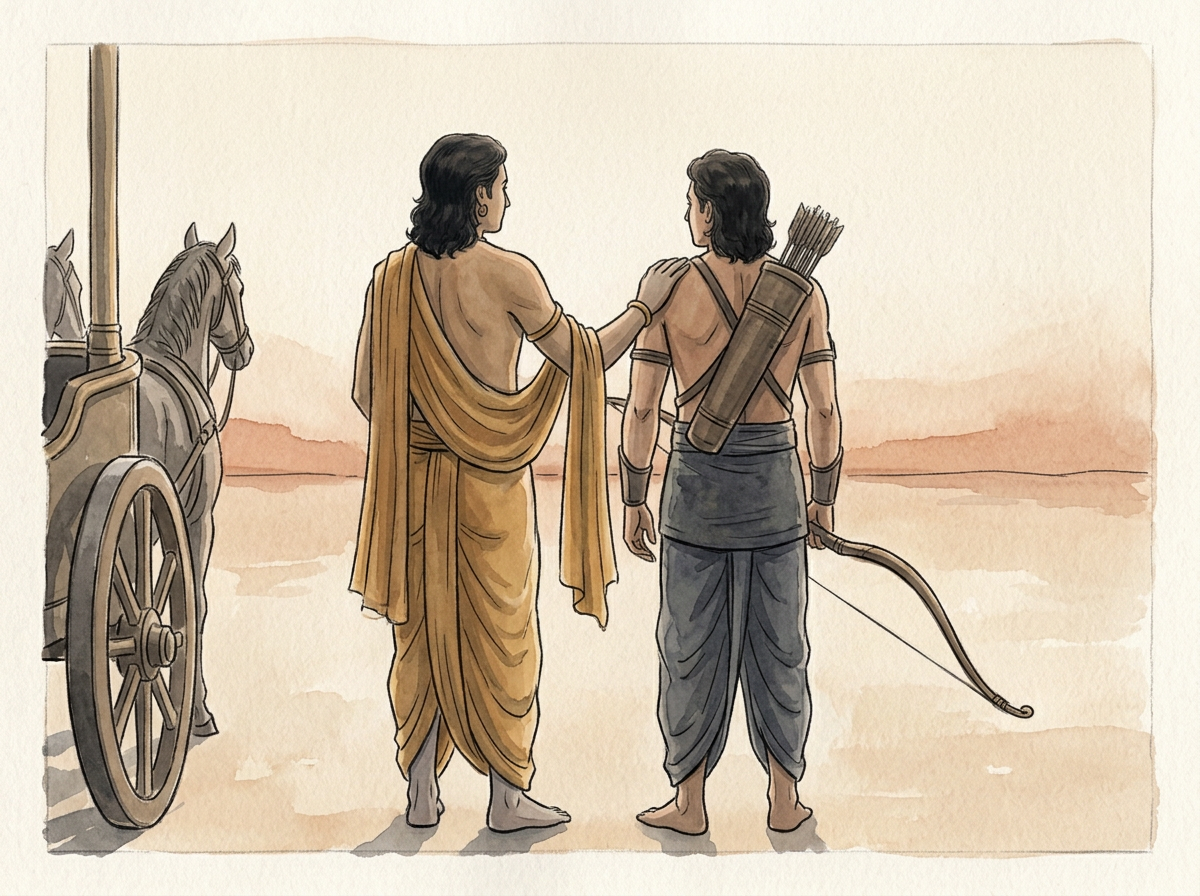
My mind keeps going to the Mahabharata, to the moment before the war. Arjuna looks across the field, sees people he knows on both sides, and puts his bow down. He doesn't know if he can go on. Krishna doesn't tell him to stop feeling that. He talks to him anyway.
My losses are nothing like Arjuna's war. But when I'm tired of starting over, that's the part I think about: the man was scared and unsure, and he got an answer anyway.
"You have the right to work, but never to its fruits."
Bhagavad Gita 2.47, a common English rendering of Krishna's words to Arjuna
For years I read that as "stop caring how it turns out," and I couldn't do it. The people who worked with me needed to be paid, and my decisions had real costs. No verse gets me out of that.
What I take from it now is smaller. I can't control how something ends, but I can control how I show up for it. I can own what I got wrong, be more careful with money and with other people's trust, and put my full effort into the task in front of me.
The people
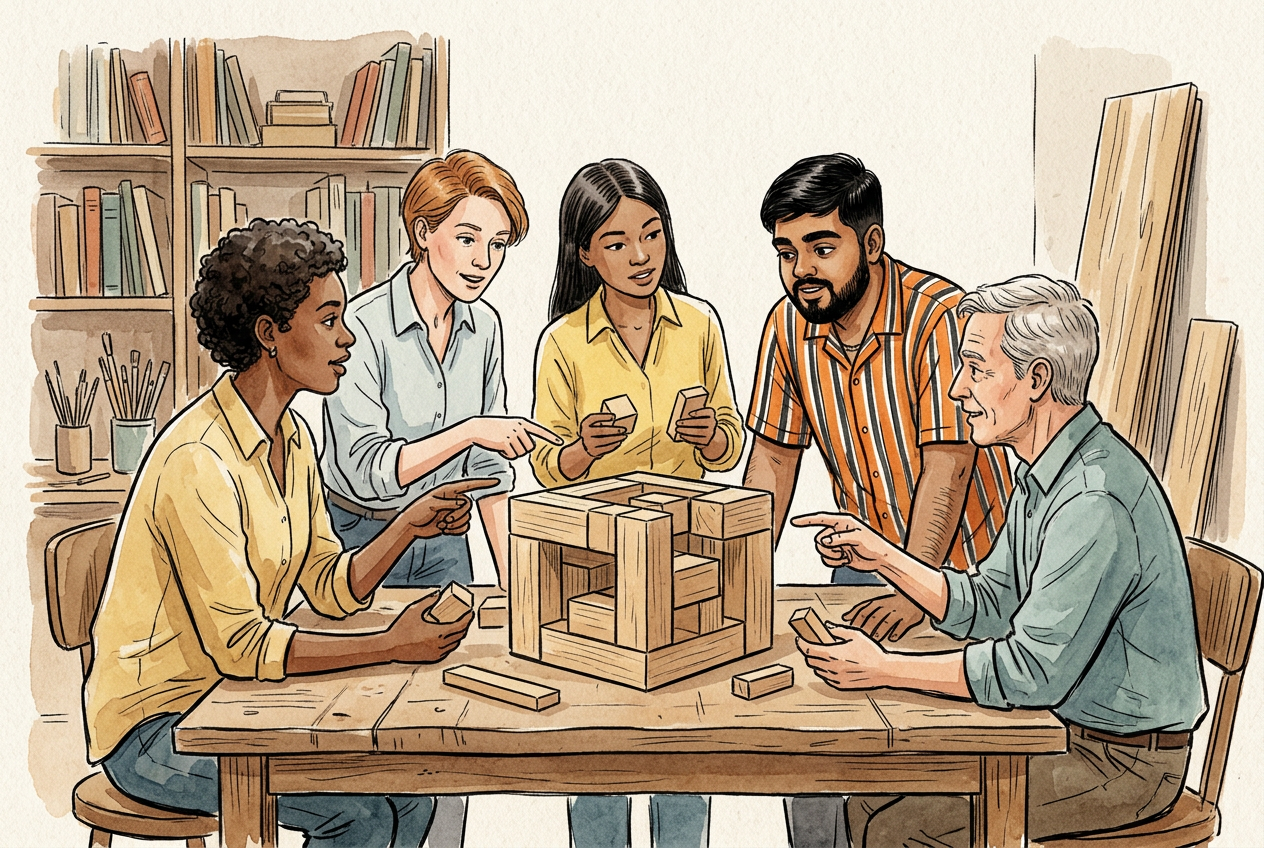
If I only tell this as a list of things I started and lost, I leave out the part that matters most, which is the people. I've worked with some brilliant ones. They asked questions that made me throw out my first answer, and they cared about the work even when their name wasn't on it. A lot of what I know I learned from them.
I also didn't lose any of this alone. When things fell apart, they carried it too, and I think about that more than I think about the money.
For a long time I thought being an entrepreneur meant starting a company and owning it. That was too narrow. Inside any company, I can take a project, a goal or a single task and own it completely. I can ask the uncomfortable questions, make a better plan, follow through, and answer for the result. None of that needs a cap table.
Still building
Right now I work in DevRel at Zencoder. I talk to developers, help them understand what we're building, and learn from the questions they ask. The entrepreneur in me comes along to work every day. I know how good it feels when something works, and how badly it can go when you forget the people around the work. So I ask better questions than I used to, and I care whether the thing is useful once the demo is over.
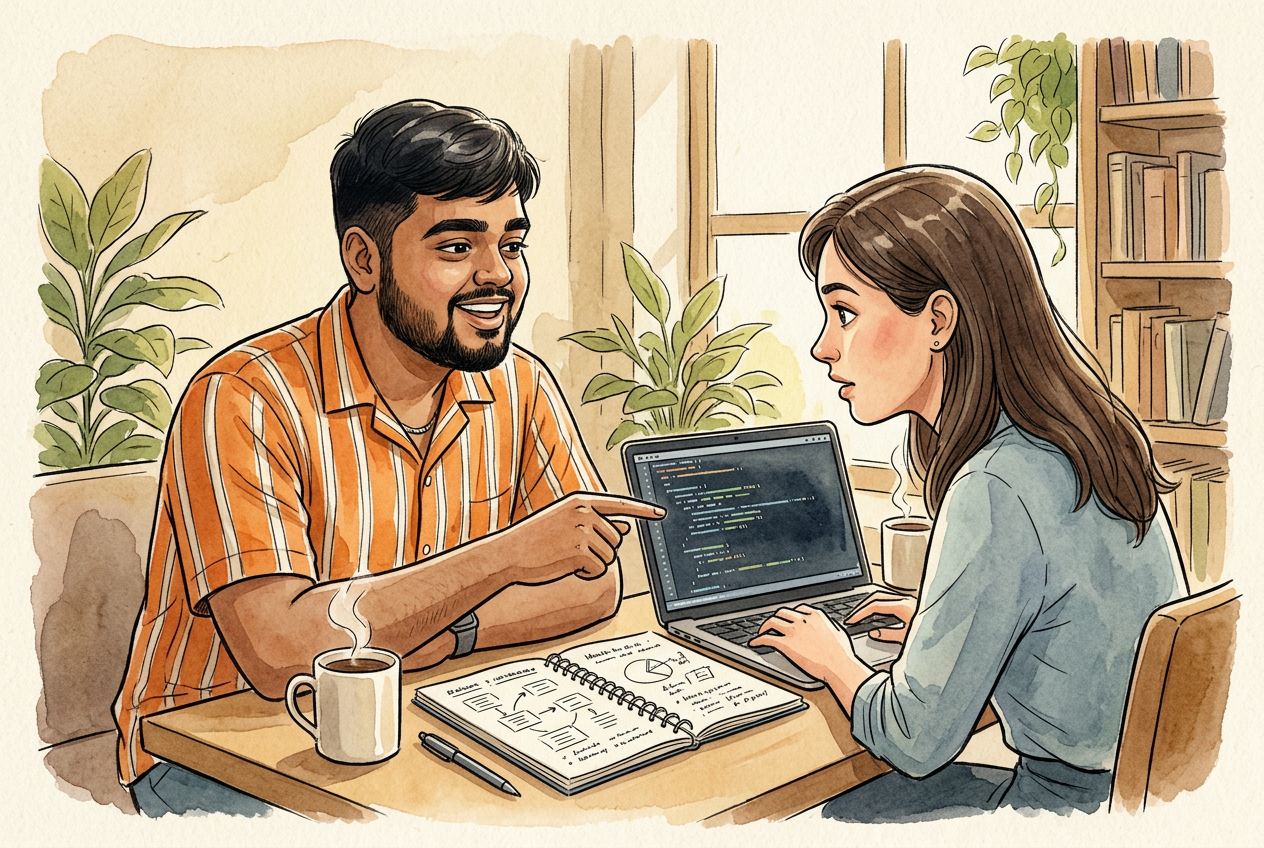
I'm not at peace with all of it. I still think about the people who left, the money we lost, and the things I should have said sooner. What I want now is simple: make fewer promises I can't keep, face problems earlier, and look after the people working next to me.
I don't know what I'll build next. For now I get to learn from people I admire and bring what I've learned to Zencoder. The entrepreneur in me isn't dead. He's still figuring things out.